Key Takeaways
Buying a coastal home in Guanacaste is as much about choosing the right rhythm of life as it is about selecting an address. The strongest decisions balance setting, construction, ownership costs, and long-term usefulness.
- Guanacaste offers distinct markets, from lively Tamarindo to private Papagayo and nature-focused Nosara.
- Luxury may mean direct beach access, architectural quality, privacy, resort amenities, or a combination of these.
- Foreign buyers can generally own titled property, but professional legal and technical review remains essential.
- Ownership costs extend beyond the purchase price to taxes, insurance, maintenance, management, and currency exchange.
- Rental potential matters, but the best property is usually one that works beautifully for your own life first.
Explore Guanacaste’s top luxury property markets
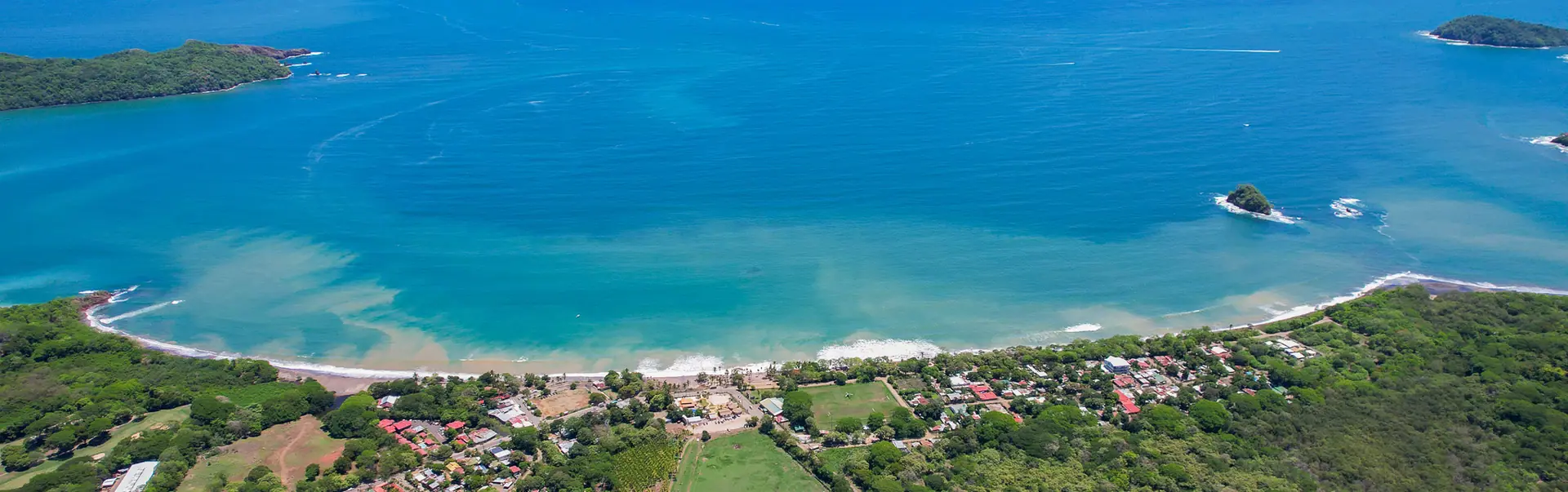
Guanacaste’s Pacific coast is not one uniform real estate market. Each town has its own atmosphere, level of development, beach character, and relationship to tourism. Before comparing homes, spend time noticing how each place feels in the morning, during the dry season, and after the restaurants and shops begin to close.
The region’s appeal is easy to understand: warm weather, dramatic Pacific sunsets, a relaxed coastal culture, and a growing network of services. A useful Guanacaste coastal living guide can help frame those differences, but an in-person visit is still the best test of fit.
Tamarindo for dining, surf, and upscale amenities
Tamarindo suits buyers who want a social beach town with a broad choice of restaurants, shops, surf schools, and everyday services. Its energy is more active than secluded, which can be a benefit for owners who expect frequent guests or want a home that is easy to enjoy without planning every outing. Luxury properties here often compete on walkability, views, thoughtful design, and proximity to the beach rather than acreage alone.
The trade-off is that popular areas can feel busier during peak travel periods. Walk the streets at different times of day, assess traffic and noise, and consider whether a central address or a quieter edge of town better matches your routine.
Papagayo for privacy and resort-style living
Papagayo is associated with privacy, carefully planned settings, and a resort-oriented approach to coastal ownership. Homes may appeal to buyers who value controlled access, expansive views, golf or boating connections, and a more secluded environment. The experience can feel highly curated, with the landscape and the residence working together as one private retreat.
That exclusivity usually brings a higher entry point and more community-specific costs. Ask what services are included, which amenities require additional fees, and how easily you can reach ordinary errands beyond the resort environment.
Flamingo and Potrero for beaches and marina access
Flamingo and Potrero offer a compelling middle ground between full-service coastal living and a more relaxed village atmosphere. The area is attractive to buyers who want beach time, boating, restaurants, and access to the expanded marina environment without giving up the intimacy of smaller communities. Views, road access, construction quality, and distance to the sand can vary considerably from one property to the next.
Nearby Brasilito adds another layer to the decision. Arcadia Brasilito is a community of beachfront residences with direct beach access, modern interiors, resort-style amenities, gated security, and a walkable setting, making it relevant for buyers comparing low-maintenance coastal living with a standalone villa.
Nosara for wellness, nature, and a slower pace
Nosara attracts people who want a quieter relationship with the coast, surrounded by nature and shaped by wellness, yoga, and a strong sense of place. Its appeal is less about polished resort infrastructure and more about space, landscape, personal routines, and a community that values environmental connection. A luxury home here may be defined by privacy, natural materials, indoor-outdoor flow, and proximity to the beach or forest.
Infrastructure deserves careful attention in this market. Confirm road conditions, internet reliability, water arrangements, and the practical distance to medical care before falling in love with a beautifully photographed retreat.
Compare the types of luxury properties available
The phrase luxury property can describe very different forms of ownership. A beachfront villa offers a private relationship with the ocean, while a condominium may provide convenience, security, and shared amenities. A gated home can reduce daily maintenance, whereas a private estate may offer land and solitude but require more oversight.
Compare the lifestyle behind each format, not just the finishes inside the home. The right choice depends on how often you will visit, whether you plan to rent, how much privacy you need, and how willing you are to manage landscaping, repairs, staff, and security.
Oceanfront villas with direct beach access
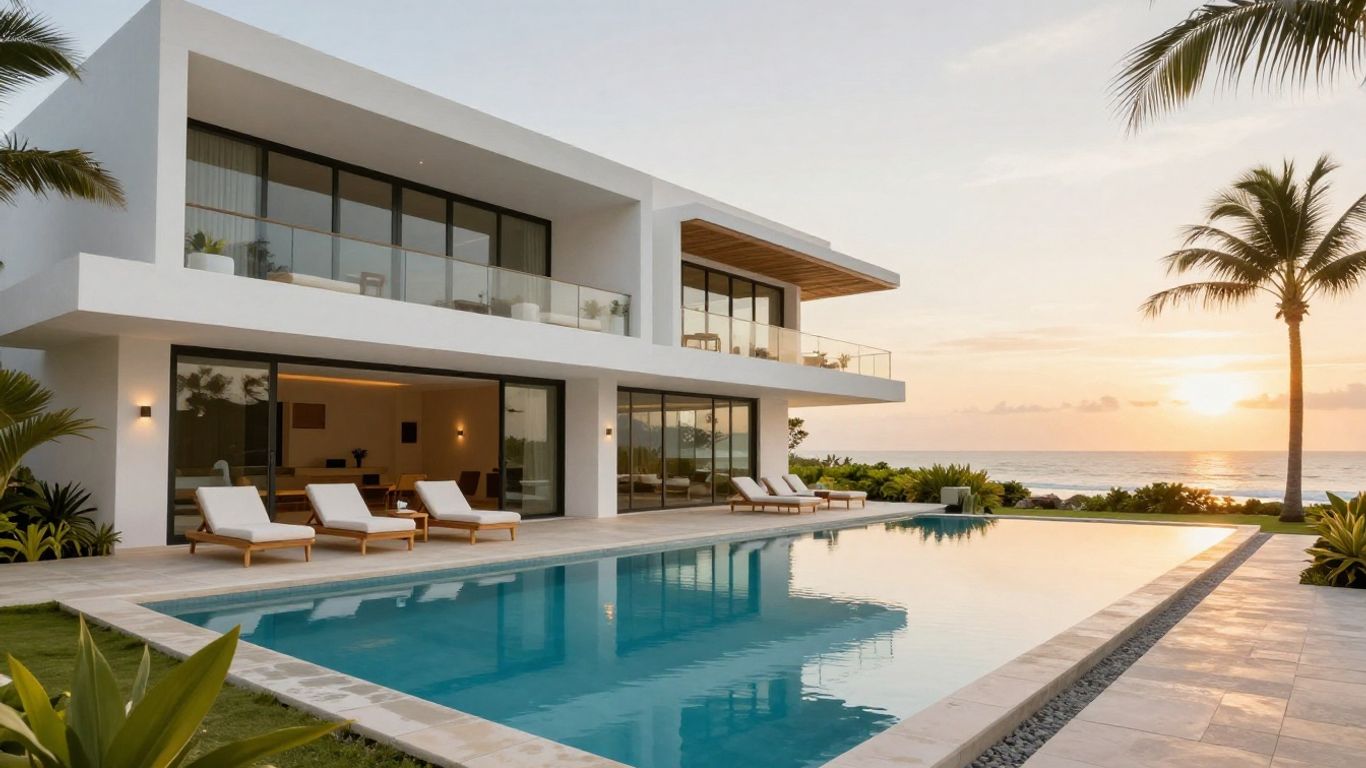
An oceanfront villa is the classic coastal ideal: generous terraces, open living areas, private pools, and the sound of surf close by. Direct beach access can make a meaningful difference to daily life, particularly for families and owners who want to walk from the house to the water without driving. It can also support rental appeal, although income depends on seasonality, management, location, and the home’s overall condition.
The ocean is also a demanding neighbor. Salt air, wind, humidity, and intense sun require durable materials and a realistic maintenance plan. Inspect doors, windows, exterior metalwork, drainage, pool equipment, and the condition of the roof before treating the view as the whole value proposition.
Gated-community homes with resort amenities
A gated-community home may be the most comfortable option for owners who want a lock-and-leave residence. Shared landscaping, controlled entry, pools, fitness spaces, concierge-style services, or recreational facilities can make ownership simpler and create a sense of community. These benefits must be weighed against monthly or annual homeowners’ association fees and the rules that govern renovations, rentals, guests, and pets.
Read the governing documents before making assumptions about what the community provides. A beautiful amenity package is only useful if its ongoing cost and operating standards suit your expectations.
Modern condos and branded residences
Condos appeal to buyers who prefer a smaller footprint and a more predictable maintenance structure. Newer residences may offer contemporary layouts, indoor-outdoor living, turnkey finishes, and shared services that would be expensive to reproduce in a standalone home. They can also be easier to oversee from abroad, provided the association is financially healthy and well managed.
Arcadia at Brasilito Beach offers luxury beachfront condos with ocean and sunset views, direct beach access, modern interiors, resort-style amenities, 24/7 gated security, and an optional rental program. Buyers should still review the declaration, budget, reserve planning, and rental terms rather than relying on the appeal of the presentation alone.
Private estates with expansive land and views
Private estates are suited to buyers who want distance, architectural freedom, and a larger canvas for gardens, guest accommodations, or outdoor entertaining. The land itself may be central to the purchase, especially where a home captures a long ocean view or sits within a mature natural setting. With that freedom comes responsibility for roads, utilities, landscaping, security, and specialized repairs.
A large parcel also needs a sharper due-diligence process. Verify boundaries, access rights, building restrictions, water availability, and the actual limits of any view corridor before assigning value to future possibilities.
Identify the features that define a luxury home
Luxury in Guanacaste is not simply a high price or a dramatic photograph. It is the combined experience of location, proportion, materials, comfort, privacy, and the ease with which the home supports real life. A modestly sized residence can feel more luxurious than a much larger one if it is better planned and better connected to its surroundings.
The most useful evaluation begins with the elements that are difficult or impossible to change later. Location, orientation, access, construction quality, and legal status deserve more attention than decorative furniture or a short-lived design trend.
Ocean views, outdoor living, and infinity pools
A strong ocean view is shaped by elevation, orientation, vegetation, neighboring lots, and future construction—not just the current sightline from a balcony. Outdoor rooms should feel like genuine extensions of the interior, with shade, ventilation, durable surfaces, and enough space for the way you expect to entertain or relax. An infinity pool can complete that composition, but its equipment and maintenance requirements should be understood in advance.
Ask whether the view is protected, partial, seasonal, or dependent on trees remaining in place. A guide to ocean-view condos offers a useful reminder that “ocean view” and “oceanfront” describe different relationships to the coast.
High-end kitchens, suites, and architectural design
Premium kitchens and suites matter because they influence the daily experience of the home. Look for intelligent storage, practical work zones, quality hardware, comfortable bedrooms, well-planned bathrooms, and finishes that can tolerate tropical conditions. Architectural design should also respond to the sun, prevailing breezes, rainfall, and the transition between private and communal spaces.
Good design often feels calm rather than showy. Notice whether the floor plan creates privacy for guests, allows easy cleaning, and gives the main rooms a clear relationship to the landscape.
Smart-home systems, security, and backup utilities
Technology is most valuable when it quietly reduces friction. Buyers may assess lighting controls, climate systems, access control, cameras, internet infrastructure, water storage, generators, and other backup arrangements. The key question is not how many devices are installed, but whether they are reliable, serviceable locally, and clearly documented for the owner.
Security should be considered alongside privacy and convenience. Confirm who monitors shared areas, how visitors enter, what happens during a power interruption, and which systems belong to the individual home versus the community.
Sustainable construction and energy-efficient technology
Tropical design can lower operating demands while making the home more comfortable. Shading, cross-ventilation, efficient glazing, solar hot water, thoughtful landscaping, rainwater strategies, and efficient appliances may all contribute to a better long-term experience. Sustainability should be assessed through construction details and utility records, not only through marketing language.
Ask for specifications, warranties, maintenance instructions, and evidence of how systems perform in the local climate. A home that uses less energy but requires scarce replacement parts may not be as practical as it first appears.
Understand the buying process in Costa Rica
Buying property in Costa Rica can be straightforward when the ownership structure, title, and transaction steps are understood from the beginning. It is still a cross-border purchase, so buyers should allow time for document review, funds transfer, translations where needed, and careful coordination among professionals. A foreign-buyer property guide can provide useful orientation before the first offer is written.
The process should feel methodical rather than rushed. A compelling sunset or limited inventory should not replace a clear understanding of what is being purchased, who owns it, and what obligations follow the closing.
How foreign buyers can own property
Foreign buyers can generally purchase titled property in Costa Rica, including fee-simple property, under the same basic ownership framework available to local buyers. The critical distinction is whether the property is properly titled and whether coastal restrictions apply. Homes within or near the Maritime Zone require especially careful review because shoreline rights and concession arrangements are not interchangeable with ordinary fee-simple ownership.
Do not assume that a beachfront address automatically means unrestricted private ownership. Have an independent Costa Rican attorney verify the title and explain the precise rights attached to the parcel or residence.
The role of corporations and title registration
Some buyers hold property through a Costa Rican corporation, while others purchase in an individual name. The appropriate structure depends on estate planning, tax advice, privacy preferences, succession, and ongoing administrative responsibilities. A corporation is not a substitute for due diligence, and it creates its own filings and compliance obligations.
Title registration should be checked through the Registro Nacional, with the registered owner, liens, easements, boundaries, and property description reconciled against the home being shown. Your attorney should explain any discrepancy in plain language before you commit funds.
Working with real estate agents, attorneys, and inspectors
The agent helps identify suitable properties and coordinate the transaction, but the attorney should represent your interests independently. A qualified inspector can examine structure, drainage, electrical systems, plumbing, roofs, pools, retaining walls, and visible signs of moisture or corrosion. In a condominium, the review should also consider shared systems and the association’s financial condition.
Choose professionals who communicate clearly and provide written findings. Independent review protects judgment when the property is emotionally compelling and the transaction is moving quickly.
Key steps from offer to closing
The usual sequence includes selecting the property, submitting an offer, negotiating terms, reviewing title and documents, completing inspections, arranging funds, signing the definitive agreement, and transferring ownership at closing. The exact timing and paperwork can vary, particularly for new construction, condominium purchases, or properties held through a company.
Keep a written checklist of conditions, deadlines, deposits, included furnishings, repair obligations, and remedies if a title or inspection issue appears. Clear documentation makes the process easier for everyone involved.
Budget for the full cost of ownership
The purchase price is only the first number in a coastal property budget. Buyers should model acquisition costs, recurring expenses, occasional capital repairs, management, insurance, taxes, utilities, and travel. The most attractive home on paper can become less appealing when its true annual cost is compared with alternatives.
Build the budget in both U.S. dollars and the currency used for local expenses. Leave room for exchange-rate movement and for the irregular costs that rarely appear in a listing description.
Purchase prices across Guanacaste’s main areas
Pricing varies by beach access, view quality, land, construction, community services, and the maturity of the surrounding market. Papagayo may command a premium for privacy and resort infrastructure, while Tamarindo often reflects demand for walkability and services. Flamingo, Potrero, Brasilito, and Nosara each contain several submarkets, so broad town-level averages can conceal meaningful differences.
Compare properties by usable interior and exterior space, not only by headline price. A smaller residence with direct access and dependable services may offer more practical value than a larger home that requires extensive driving and maintenance.
Closing costs, taxes, and professional fees
A transaction budget may include transfer taxes, registration charges, legal work, due-diligence reports, inspection fees, entity costs, and other professional services. The final amount depends on the structure and circumstances of the purchase, so request a written estimate from the attorney before signing.
Annual property tax is separate from closing costs. Ask which taxes are included in quoted figures, who pays outstanding balances, and whether a condominium has special assessments or pending projects that could affect owners.
Property management, maintenance, and insurance
A second home needs a local operating plan even when it is not rented. Management may cover inspections, cleaning, guest coordination, landscaping, pool care, preventive maintenance, and emergency response. Standalone homes generally require more coordination than condos, while oceanfront properties may need more frequent attention to salt exposure and weather.
Insurance availability and exclusions should be reviewed early. Confirm coverage for the structure, contents, liability, natural events, staff, and periods when the residence is vacant; policies can differ substantially.
Currency, financing, and international payment considerations
Many international buyers use cash, home-country financing, or a combination of available resources, though local lending terms may not resemble those in the buyer’s home market. Funds should move through reputable financial institutions, with documentation prepared for source-of-funds checks and closing requirements. Never make a large transfer based only on informal payment instructions.
A simple ownership model can help compare choices before an offer is made:
| Cost category | Questions to ask | Planning approach |
|---|---|---|
| Acquisition | What taxes and professional fees apply? | Request a written closing estimate |
| Ownership | What are annual taxes, utilities, and insurance? | Create a recurring monthly budget |
| Maintenance | Which systems need tropical-climate servicing? | Reserve a yearly repair allowance |
| Management | Who handles the home when you are away? | Compare scope, fees, and response times |
The table is a starting framework, not a quote. Use property-specific figures and update them after inspection, title review, and conversations with the community or management team.
Evaluate lifestyle and investment potential
A coastal property can be a personal refuge, a gathering place for family, or an income-producing asset. Those roles can coexist, but they do not always point toward the same home. A quiet estate may be ideal for privacy yet difficult to rent, while a walkable condo may be more convenient for guests and easier to manage remotely.
Start by defining your own use. Then test whether the location, floor plan, access, operating costs, and community rules support the rental or appreciation assumptions you are making.
Short-term vacation rental opportunities
Vacation rental performance depends on location, season, access, views, furnishings, service quality, reviews, and local rules. Direct beach access and walkability can reduce friction for guests, while reliable internet, air conditioning, clean outdoor spaces, and responsive management influence repeat demand. Gross revenue is not the same as profit after commissions, cleaning, maintenance, taxes, utilities, and vacancies.
Ask for conservative projections and comparable evidence rather than relying on the best month of the year. If a rental program is available, review its fees, owner-use restrictions, furnishing requirements, and reporting practices.
Long-term appreciation and market demand
No coastal market rises in a straight line. Appreciation is influenced by infrastructure, limited beachfront supply, airport access, construction quality, environmental rules, and the depth of buyer demand. A home that remains desirable to owner-occupiers as well as investors may have a broader resale audience.
Treat published forecasts as scenarios, not promises. The Guanacaste investment guide can help organize questions about ownership, taxes, and market fundamentals, but your own attorney, accountant, and local market research should inform the final decision.
Access to airports, healthcare, schools, and services
Lifestyle quality includes the practical journey to the airport, medical providers, groceries, schools, banking, and household services. Liberia International Airport is a major consideration for many international owners, but actual drive times can vary with road conditions, traffic, weather, and the property’s exact location. A remote view may be wonderful until a routine errand becomes a half-day trip.
Visit the area with an ordinary schedule in mind. Drive to groceries, test internet service, locate medical care, and ask residents how the community functions outside the high season.
Balancing privacy, convenience, and rental appeal
The strongest property is often a compromise made consciously. Privacy may require elevation or distance from town; convenience may favor a walkable condominium; rental appeal may reward shared amenities and easy beach access. Decide which qualities are essential, which are negotiable, and which would create recurring work.
Arcadia at Brasilito Beach is positioned between Reserva Conchal and the Flamingo Marina, combining beachfront residences, contemporary design, gated security, direct beach access, and a walkable lifestyle. For a buyer seeking elevated living with less day-to-day property complexity, that combination illustrates why the setting and ownership format should be evaluated together.
Perform due diligence before making an offer
Due diligence turns an attractive viewing into an informed purchase. It should cover legal rights, physical condition, services, environmental exposure, community obligations, and the assumptions behind any rental plan. The aim is not to eliminate every uncertainty; it is to identify material risks early enough to price them, repair them, or walk away.
Use independent professionals and insist on written answers. If a seller or representative cannot explain a basic ownership, access, or utility question, pause before increasing your commitment.
Confirming title, boundaries, and zoning
Obtain a current title search and compare the registered information with the survey, plans, fences, structures, and advertised lot size. Check for liens, easements, restrictions, encroachments, and rights of way. Zoning and building permissions should also be confirmed, especially where a property’s value depends on expansion, a guest house, a pool, or an unobstructed view.
Coastal parcels deserve additional scrutiny because the Maritime Zone can create special legal conditions. Do not treat a concession, a right of possession, and fee-simple title as equivalent forms of ownership.
Reviewing water access and utility infrastructure
Water availability is a practical foundation of coastal ownership. Confirm the source, legal status, capacity, connection, storage, and any restrictions that could affect the home or future construction. Review electricity, wastewater, internet, road access, and backup systems with equal care.
Ask who maintains shared infrastructure and how costs are allocated. A technically beautiful home cannot compensate for unreliable or legally uncertain basic services.
Assessing climate, coastal risks, and road conditions
Guanacaste’s climate shapes both enjoyment and maintenance. Inspect drainage, slopes, retaining structures, roof design, window protection, vegetation, and signs of water intrusion. Near the coast, salt, wind, intense sun, and heavy seasonal rain can affect finishes and equipment faster than buyers expect.
Visit after rain if possible, or ask for local observations about flooding, access, erosion, and road performance. A drive that feels easy in dry weather may reveal a different reality during the wet season.
Comparing community rules and homeowners’ association fees
For a condominium or gated community, review budgets, reserves, meeting minutes, insurance, maintenance contracts, rental rules, pet policies, renovation procedures, and dispute history. Fees should be understood as part of the property’s operating model, not as an unexpected add-on after the purchase.
Pay attention to planned assessments and deferred maintenance. A well-run association can protect convenience and value, while weak reserves may transfer large future costs to individual owners.
Conclusion
The best luxury properties Guanacaste Costa Rica offers are not defined by spectacle alone. They bring together a compelling coast, sound construction, thoughtful ownership planning, dependable services, and a lifestyle you can genuinely sustain. Take time to compare the region’s distinct communities, verify every important assumption, and choose a home whose beauty continues to make sense long after the first sunset.
Frequently Asked Questions
Is Guanacaste a good place to buy a luxury coastal home?
Guanacaste can suit buyers seeking warm weather, Pacific beaches, outdoor living, established coastal communities, and access to international travel. The right location depends on whether you prefer privacy, walkability, resort amenities, nature, or a balance of these qualities.
Can foreigners buy property in Costa Rica?
Foreigners can generally purchase titled property in Costa Rica, including fee-simple property. Coastal and Maritime Zone situations require specialized legal review because the ownership and use rights may differ from those attached to ordinary titled land.
Which Guanacaste market is best for a vacation home?
There is no universal answer. Tamarindo may suit buyers who value dining and activity, Papagayo may appeal to those seeking privacy and resort living, Flamingo and Potrero offer beach and marina access, and Nosara may fit a slower, nature-oriented lifestyle.
Is an ocean-view property the same as an oceanfront property?
No. An ocean-view home may be elevated, across a road, or separated from the shoreline, while an oceanfront property has a more direct physical relationship to the coast. Confirm the legal description, access, distance, and potential view obstructions before comparing prices.
What additional costs should luxury-property buyers expect?
Buyers should budget for closing expenses, legal and inspection fees, taxes, insurance, utilities, maintenance, management, association fees, furnishings, and travel. The exact total varies by property type, ownership structure, location, and intended use.
Should a buyer use a Costa Rican attorney?
Yes. An independent Costa Rican attorney can review title, liens, boundaries, zoning, coastal restrictions, contracts, corporate structures, and closing documents. The attorney should represent the buyer’s interests rather than simply coordinate paperwork.
Can a luxury home in Guanacaste be rented to vacationers?
Many properties may be suitable for short-term rentals, but performance depends on location, season, amenities, management, pricing, local requirements, and community rules. Review the full operating costs and owner-use restrictions before treating projected rental income as a return.
Updated September 1, 2026