Key Takeaways
Luxury living in Costa Rica is less about display and more about privacy, nature, comfort, and a home that fits the way you actually live.
- Guanacaste, the Central Valley, the Southern Zone, and the Caribbean each offer a distinct version of upscale living.
- Location matters as much as architecture, especially when evaluating access, climate, views, and nearby services.
- High-end ownership requires a realistic view of maintenance, staffing, insurance, taxes, and security.
- Resort residences can simplify part-time ownership, while private estates may offer more space and seclusion.
- Careful due diligence and a trusted local team are essential before buying or relocating.
What luxury living in Costa Rica really means
Luxury living in Costa Rica is not a single formula. For some residents, it means waking to an unobstructed Pacific view; for others, it is a cool Central Valley morning, a private garden, or the ease of having reliable services nearby. The best homes combine comfort with a sense of place rather than feeling detached from their surroundings. That balance is central to the appeal of luxury living costa rica has developed among international buyers.
Defining luxury beyond price and prestige
Price can identify a premium property, but it does not guarantee a fulfilling home. True luxury may be a quiet bedroom, thoughtful architecture, excellent natural light, and enough outdoor space for daily life to unfold comfortably. It can also mean a well-managed building, dependable staff, and a home that remains easy to enjoy when you are not there full time. Personal fit matters most when comparing properties that may look impressive on paper.
A useful way to judge a home is to imagine an ordinary week rather than a holiday. Can you cook, work, exercise, host friends, and rest without friction? Does the design support privacy while still allowing connection with the landscape? Those practical questions often reveal more than a long list of finishes.
How location shapes the lifestyle
Costa Rica offers remarkably different rhythms within a relatively compact country. A coastal home may center life around swimming, boating, and sunset dinners, while a Central Valley residence may place hospitals, schools, galleries, and restaurants within easier reach. Mountain areas bring cooler temperatures and broad views, but they may also involve winding roads and longer drives. The right location is the one that supports your real priorities throughout the year.
Distance should be considered in practical terms. Airport access, road quality, medical care, grocery options, and reliable services can shape daily satisfaction as much as an ocean panorama. Buyers who spend time in a region during both busy and quiet periods usually develop a clearer understanding of its character.
The role of privacy, nature, and personalized services
Privacy is often a combination of site planning, landscaping, screening, and thoughtful room placement. A home can feel secluded without being remote, especially when vegetation and elevation create separation from neighboring properties. Nature also becomes part of the interior experience through shaded terraces, open-air living areas, and views that change with the season.
Personalized services complete the experience, but they should be measured against the owner’s habits. Some residents want a discreet housekeeper and gardener; others prefer a full concierge arrangement for transportation, dining, maintenance, and guest coordination. The goal is not to add services indiscriminately. It is to remove the small obstacles that distract from living well.
Comparing resort-style and residential luxury
Resort-style residences appeal to owners who value amenities, managed common areas, and a simpler arrival-and-departure routine. They can be particularly convenient for vacation homes or properties that may be rented periodically. A private residential estate offers greater control over space, landscaping, pets, renovations, and entertaining, though it usually asks more of the owner or property manager.
The distinction is not strictly about prestige. It is about responsibility and rhythm. A resort residence may make sense for someone who travels often, while a private compound may better suit a family seeking permanence and generous personal space.
The best destinations for luxury living in Costa Rica
The best destination depends on the atmosphere you want to repeat, not merely the view you want to photograph once. Guanacaste offers sunny beaches and established premium communities, while the Central Valley brings culture, services, and a temperate climate. The Southern Zone is lush and private, and the Caribbean coast has a more relaxed, expressive character. These differences make regional visits essential before choosing a home.
Guanacaste for beaches, resorts, and ocean views
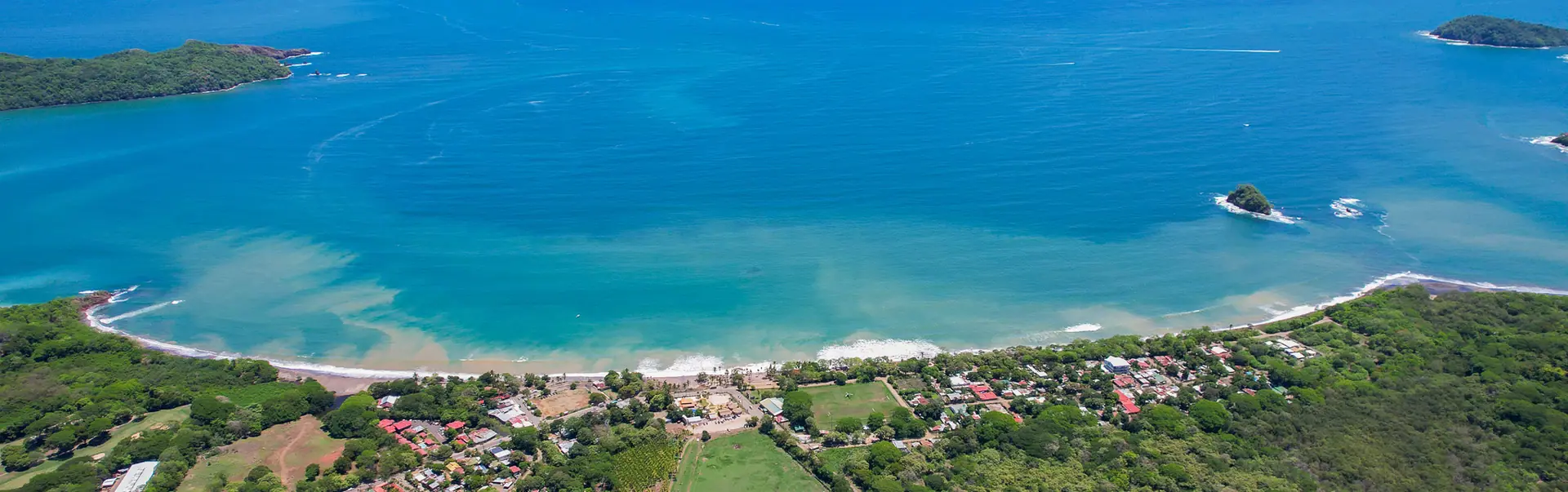
Guanacaste is often the first place buyers explore because it combines beach access, international connections, and a broad range of upscale communities. The northwestern Pacific coast includes resort residences, oceanview villas, and walkable beach towns, each with its own balance of privacy and activity. Areas near Brasilito, Flamingo, Tamarindo, and Papagayo can feel quite different despite their geographic proximity.
For buyers drawn to contemporary beachfront living, Arcadia at Brasilito Beach offers residences with modern design, ocean views, direct beach access, resort-style amenities, and a walkable setting between Reserva Conchal and Flamingo Marina. That combination suits people who want comfort and connection without giving up the relaxed character of the coast.
The Central Valley for climate, culture, and convenience
The Central Valley is a strong choice for residents who want access to urban services without living in a dense city center. San José and nearby communities provide restaurants, private medical facilities, schools, shopping, galleries, and cultural events. Elevation generally brings a milder climate than the coast, which can make outdoor living comfortable in a different way.
Homes here range from polished condominiums to large properties with gardens and mountain views. The trade-off is that the experience is less defined by immediate beach access. For many full-time residents, however, proximity to services and a deep year-round community is its own form of luxury.
The Southern Zone for privacy and natural beauty
The Southern Zone attracts buyers who want abundant greenery, dramatic coastlines, and a slower pace. Areas around Dominical, Uvita, and the Osa Peninsula offer a more secluded setting, with rainforest, waterfalls, and ocean views woven into daily life. Properties may be architecturally striking while remaining closely connected to the terrain.
This region rewards patience during a property search. Roads, utilities, construction logistics, and service availability can vary considerably by location. A beautiful remote site may be ideal for a retreat, but it needs a realistic plan for maintenance and access.
The Caribbean coast for a laid-back luxury experience
The Caribbean coast offers a distinct visual and cultural identity, with lush vegetation, broad beaches, and a more informal pace. Luxury here often feels less polished in the conventional resort sense and more personal, textured, and connected to local surroundings. Homes may prioritize gardens, verandas, natural materials, and indoor-outdoor gathering spaces.
Buyers should spend enough time in the area to understand seasonal weather, road conditions, and the availability of household services. The appeal is genuine, but it suits someone who appreciates character and rhythm over predictable uniformity.
Choosing the right luxury property
A luxury property should be assessed as a living system, not as a collection of attractive rooms. Orientation, drainage, access, construction quality, privacy, and future maintenance all influence the experience. The best purchase is usually the one that remains comfortable when weather changes, guests arrive, and the novelty of the view has settled into daily life.
Oceanfront villas versus hillside estates
Oceanfront villas offer immediacy: the sound of waves, easy access to the beach, and a visual connection that can define the entire home. They may also face salt exposure, wind, humidity, and greater attention to corrosion and exterior upkeep. Hillside estates can provide wider vistas, more privacy, and dramatic architecture, but steep drives and elevation may affect accessibility.
Think about how you will use the property at different ages and in different seasons. A hillside pool may be wonderful for entertaining, while a flatter site may be easier for guests, children, or long-term living. Views should be considered alongside maintenance and movement through the home.
Gated communities, private compounds, and resort residences
Gated communities can provide managed entrances, shared amenities, and a sense of neighborhood. Private compounds offer more independence, while resort residences may simplify landscaping and common-area care through professional management. Each model shifts the balance between autonomy, convenience, fees, and responsibility.
The ownership structure deserves close attention. Review association documents, rules, reserves, planned assessments, rental policies, and maintenance obligations before becoming emotionally attached to a property. A beautiful setting is easier to enjoy when the operating framework is clear.
Key features in high-end Costa Rican homes
High-end homes commonly prioritize generous terraces, shaded outdoor rooms, quality kitchens, private pools, strong ventilation, and durable materials. But imported finishes are not automatically the best choice for a tropical climate. Roofing, drainage, window protection, cabinetry, and hardware should all be evaluated for local conditions.
A practical feature review might include the following questions:
- Does the home have comfortable shaded areas throughout the day?
- Are bedrooms, service spaces, and entertaining areas sensibly separated?
- Can the property handle heavy rain, humidity, and salt air where relevant?
- Are water storage, backup power, and drainage systems properly documented?
These details are not glamorous during a showing, yet they shape the cost and ease of ownership. A home that performs well in ordinary conditions is often more luxurious than one that depends on constant intervention.
Evaluating accessibility, views, and year-round livability
A spectacular view can conceal a difficult daily route. Test the drive at different times, inspect the final approach, and consider how guests, deliveries, emergency services, and household workers will reach the property. Also ask whether the view depends on undeveloped land remaining undeveloped.
Year-round livability includes more than climate. It means dependable internet, manageable utility arrangements, nearby medical care, comfortable sleeping areas, and a plan for security when the home is vacant. These questions help separate a holiday property from a residence that can support a complete life.
The lifestyle and services that define upscale living
Upscale living is created through a series of quiet conveniences. A well-run home makes it easy to move from a morning swim to a work call, a family lunch, or an evening outdoors. In Costa Rica, the surrounding landscape is part of that experience, so services should support access to nature rather than overwhelm it. The ideal is refined but unforced.
Private chefs, housekeeping, and concierge support
Housekeeping, gardening, pool care, and occasional culinary support can make a second home significantly easier to manage. Some owners prefer a regular small team, while others arrange services around visits and guests. A concierge may coordinate transportation, reservations, repairs, and local experiences, but clear expectations and trusted references remain essential.
Staffing also raises questions about schedules, privacy, payment, insurance, and legal compliance. Treat those matters with the same care as any other operating expense. Good service feels discreet because roles, access, and communication have been thoughtfully organized.
Wellness, outdoor recreation, and nature experiences
Costa Rica naturally supports an active approach to wellness. Residents may build their routines around walking, surfing, hiking, swimming, yoga, golf, or simply spending time under a shaded roof with the sounds of the forest. A property’s design can either encourage those habits or make them inconvenient.
Choose a location based on the experiences you will genuinely repeat. A nearby trail or beach may matter more than a distant attraction visited once. The strongest homes make everyday movement feel simple and pleasurable.
Dining, shopping, and cultural activities nearby
Luxury does not require isolation from local life. A good home can offer privacy while remaining close to small restaurants, produce markets, cafés, galleries, marinas, and community events. In coastal areas, the most satisfying routine may combine a well-designed kitchen with occasional dinners at locally owned places.
Before buying, spend time in the neighborhood beyond the property itself. Walk the surrounding streets, visit shops at different hours, and ask residents how the area feels outside the high season. Convenience is more meaningful when it reflects your own habits.
Designing a home for indoor-outdoor living
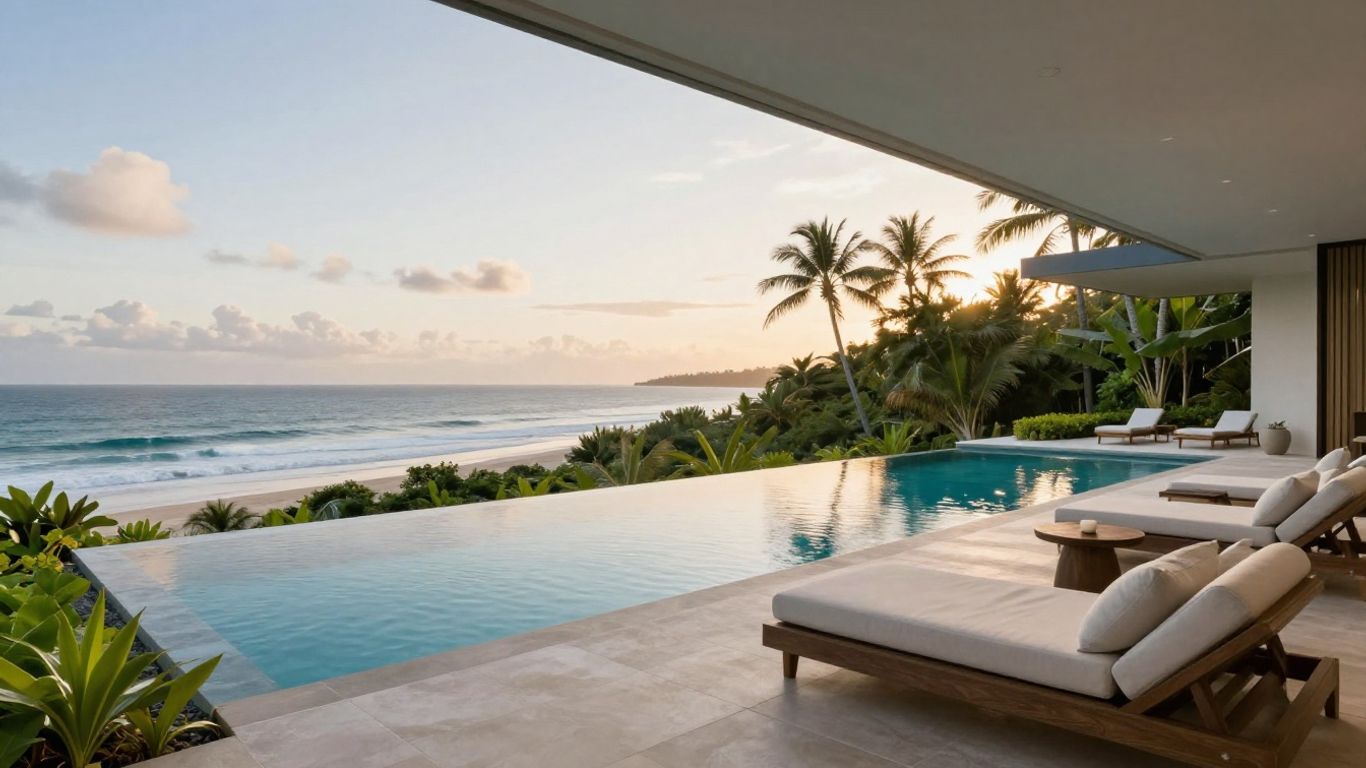
Indoor-outdoor design works best when it responds to sun, wind, rain, and privacy rather than treating the wall between inside and outside as an afterthought. Deep overhangs, screened openings, durable flooring, and shaded terraces can extend the useful living area. Furniture and lighting should also be selected for humidity and frequent outdoor use.
A thoughtful plan creates several layers of retreat: an open terrace for gathering, a quieter corner for reading, and protected spaces for rainier afternoons. This kind of flexibility makes a tropical home feel generous without requiring excessive scale.
The costs and practicalities of luxury living
The purchase price is only the first financial decision. Ownership also includes taxes, insurance, utilities, staff, repairs, furnishings, association dues, and management when you are away. Costs vary by region, property type, climate exposure, and service expectations. A detailed annual budget is more useful than a broad assumption that Costa Rica is simply inexpensive.
Purchase prices and ongoing ownership expenses
Premium pricing reflects more than square footage. Beach access, ocean orientation, elevation, construction quality, amenities, title clarity, and proximity to services can all affect value. A smaller residence in a well-managed, walkable setting may be more practical than a larger home that requires extensive upkeep.
Build a comparison that includes acquisition costs and recurring expenses. Buyers exploring the coast may find a useful distinction between a managed condominium and a standalone house: the first may reduce remote-owner responsibilities, while the second offers more control and privacy but usually requires a larger operating plan.
Property taxes, insurance, and maintenance considerations
Property taxes, insurance availability, association fees, and maintenance should be verified locally and in writing. Tropical conditions can accelerate wear on paint, roofs, outdoor furniture, appliances, and mechanical systems. Coastal properties may need particular attention to salt air, while forested properties may require more landscape management.
Ask for maintenance records, service contracts, reserve information, and recent repair invoices. Insurance terms can differ according to location, construction, security, and natural-hazard exposure. These documents help convert an attractive property into a measurable ownership decision.
Utilities, internet, security, and staffing
Reliable utilities are central to year-round comfort. Confirm water sources, storage capacity, electrical service, internet options, backup systems, waste handling, and road access before closing. Security should be approached as a layered operating matter, including lighting, gates, routines, and trusted local oversight.
Staffing costs also deserve a realistic line item. Even a low-maintenance home may need someone to inspect it, manage gardens, coordinate repairs, and prepare it before arrival. The expense is easier to manage when duties are documented and checked regularly.
Renting the property when you are away
A property that will be rented needs to be evaluated as a hospitality operation. Consider furnishing durability, guest access, cleaning turnover, local regulations, insurance, marketing, and the owner’s personal-use calendar. Rental projections should be based on comparable properties and conservative occupancy assumptions rather than peak-season optimism.
Management quality can influence guest experience and maintenance as much as the home itself. If rental income is part of the plan, interview managers before buying and understand exactly what their fee covers. A property that performs well financially should still feel like a home when you return.
Investing in luxury real estate in Costa Rica
Luxury real estate can serve several purposes at once: personal enjoyment, a long-term store of value, rental income, or a future relocation base. Those goals can conflict, so define the priority before comparing markets. The strongest investment decision is rarely the one with the most dramatic brochure; it is the one supported by realistic operations and careful legal review.
Understanding demand in premium markets
Demand varies by destination, access, season, property format, and the experience offered nearby. Walkability, direct beach access, established services, and a recognizable community can broaden appeal, while a remote home may depend on a narrower group of guests. Research should include current listings, completed transactions where available, rental calendars, and local development plans.
Guanacaste deserves particular attention from buyers interested in coastal demand, but it should not be treated as one uniform market. Brasilito, Flamingo, Tamarindo, and Papagayo each attract different buyers and visitors. The Guanacaste investment guide is a useful starting point for reviewing ownership, tax, and market considerations, which should then be confirmed with qualified professionals.
Assessing rental income and seasonal occupancy
Rental analysis should separate gross revenue from the amount that remains after management, cleaning, utilities, maintenance, taxes, insurance, association fees, and vacancy. Seasonality can be pronounced, and owner use reduces the available calendar. A conservative model should include slower periods and unexpected repairs.
Compare properties using the same assumptions. A lower-priced home with reliable access and simpler operations may outperform a more expensive estate that takes longer to fill and costs more to maintain. Income is only one part of the decision; personal use and long-term enjoyment may be equally important.
Working with local agents, attorneys, and property managers
A capable local team makes the process more transparent. The agent should understand the micro-market, the attorney should independently review title and contracts, and the property manager should explain day-to-day operations in plain language. These roles should not be treated as interchangeable.
Look for written scopes of work, references, response expectations, and clear fee schedules. If a team is reluctant to share documentation or explain assumptions, pause the process. Trust develops through consistency and verification, not through urgency.
Avoiding common risks during due diligence
Due diligence should cover title, boundaries, zoning, permits, water, access, construction, environmental constraints, association obligations, and outstanding claims. Coastal and hillside sites may require additional scrutiny because of erosion, drainage, slope, or regulatory considerations. Never assume that a polished presentation means every underlying detail is settled.
A sensible review usually follows a sequence rather than a single inspection. Confirm the legal position first, then investigate the physical property and its operating costs. This approach reduces the chance that excitement about the lifestyle will outrun the facts.
How to plan a move to Costa Rica
Relocating is different from buying a vacation home. It changes your relationship with healthcare, transportation, banking, community, work, schooling, and daily errands. A gradual plan allows you to test the emotional and practical fit of a region before making an expensive commitment. It also gives your family time to adjust to a new rhythm.
Testing different regions before committing
Spend meaningful time in at least two locations, ideally during different seasons. Rent a normal home rather than staying only in a resort, drive ordinary errands, and notice how long basic tasks take. Try the grocery store, pharmacy, clinic, beach route, and internet connection before deciding that a place feels right.
Keep notes on heat, humidity, noise, roads, services, and social life. A short visit can reveal beauty, but an extended stay reveals patterns. Those patterns are what relocation actually asks you to live with.
Navigating residency and legal requirements
Residency categories, documentation, property ownership, taxation, and work permissions can change and should be reviewed with current legal advice. Owning property does not automatically confer residency, and the best route depends on your finances, family situation, and intended length of stay. Keep original documents organized and allow time for translations, certifications, and applications.
Do not rely on informal advice for a decision with long-term consequences. A qualified immigration attorney or other appropriate professional can explain current requirements and identify which details apply to your circumstances.
Building a trusted local support network
A support network may include an attorney, accountant, doctor, insurance contact, contractor, property manager, and neighbors who understand the area. Start building those relationships before an emergency occurs. Ask for references and observe whether people communicate clearly and follow through.
Community is part of the relocation experience, particularly in smaller coastal towns. Learning basic local customs and making space for Spanish in daily interactions can lead to a more grounded, welcoming life.
Creating a realistic relocation budget
A relocation budget should include housing, transportation, healthcare, communications, furnishings, travel, insurance, professional fees, and an emergency reserve. It should also account for the transition period, when you may be maintaining costs in two countries. Imported goods, frequent flights, and property services can change the monthly picture quickly.
Review the budget after several months of actual spending. A plan that leaves room for repairs, visitors, and occasional changes will feel more sustainable than one built around ideal conditions.
Conclusion
Luxury living in Costa Rica is ultimately a choice about how you want your days to feel. Whether that means a walkable beachfront condo, a private hillside retreat, or a comfortable Central Valley home, the best decision joins beauty with practical judgment. Visit regions carefully, understand the true costs, and choose a property that offers both connection and ease.
Frequently Asked Questions
What makes a home feel luxurious in Costa Rica?
A luxurious home usually combines thoughtful design, privacy, durable materials, comfortable outdoor areas, reliable services, and a strong connection to its setting. Price alone does not determine the quality of the experience.
Which Costa Rican region is best for upscale living?
Guanacaste suits buyers seeking beaches and resort amenities, while the Central Valley offers climate and convenience. The Southern Zone emphasizes privacy and nature, and the Caribbean coast provides a more relaxed cultural atmosphere.
Is Costa Rica a good place to buy a luxury vacation home?
It can be, provided the property’s location, management needs, insurance, rental rules, and operating costs match your intended use. A careful review is especially important if you will be away for long periods.
Should I choose a condo or a standalone house?
A condo may offer simpler maintenance, shared amenities, and easier lock-and-leave ownership. A standalone house generally provides more space and privacy but often requires more active oversight and a larger maintenance budget.
What ongoing costs should luxury homeowners expect?
Common costs include property taxes, insurance, utilities, internet, landscaping, pool care, repairs, security, staffing, association dues, and property management. The exact mix depends on the home and location.
Can foreigners buy property in Costa Rica?
Foreign buyers can purchase many types of property, but title, zoning, concessions, access, and ownership structures should be reviewed by an independent local attorney before a transaction proceeds.
How long should I visit before relocating?
A longer trial stay is preferable to a short holiday visit. Spending time in ordinary neighborhoods, testing errands, and visiting during more than one season can reveal whether the climate, services, pace, and community suit your everyday life.
Updated August 12, 2026