Key Takeaways
Buying in a gated community can simplify ownership, but it still requires careful research into location, title, costs, and community rules.
- Compare access, services, climate, and travel time before choosing a region.
- Review the property’s title, permits, boundaries, and purchase agreement with an independent attorney.
- Treat homeowners’ association fees and rules as part of the property decision, not an afterthought.
- Match the home type to your intended use, whether that is full-time living, occasional stays, or rentals.
- Visit the community in person and assess both the home and its surrounding infrastructure.
Understanding gated community Costa Rica real estate
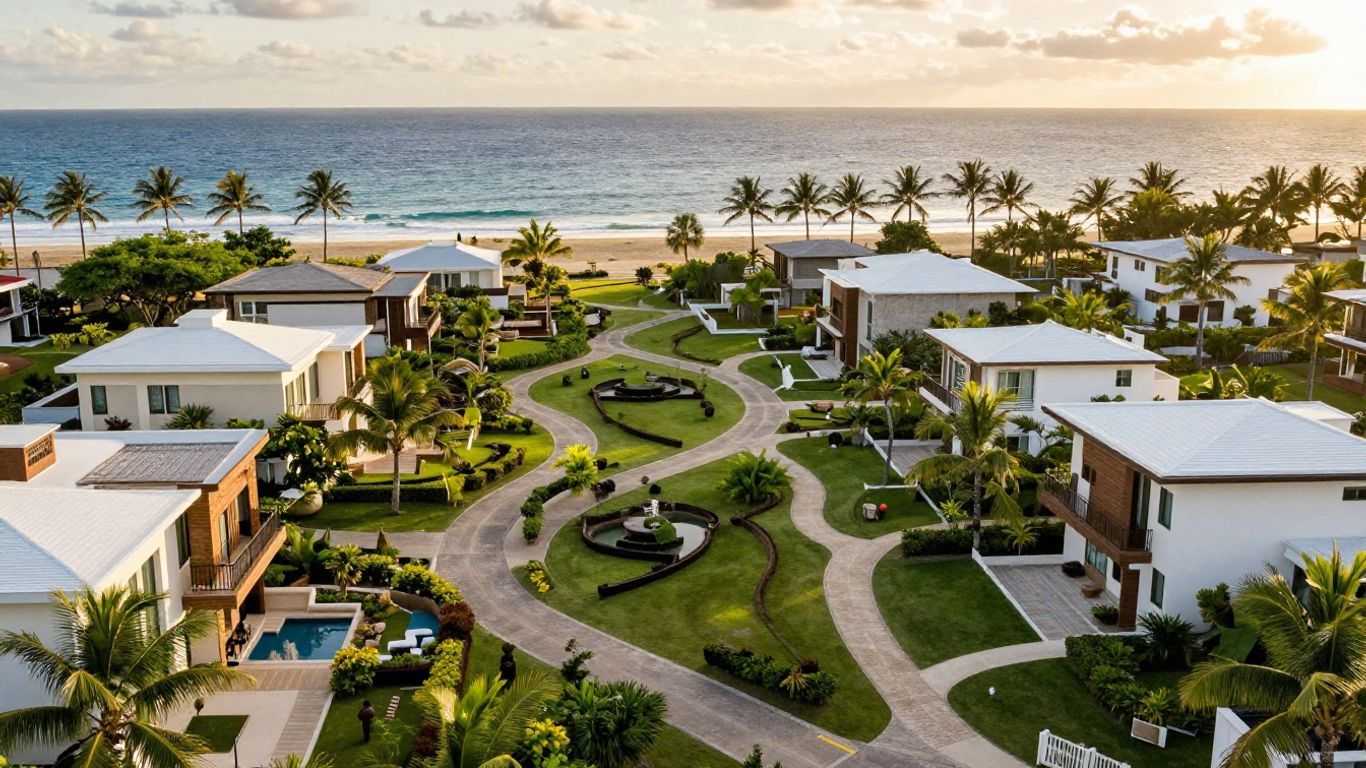
Gated community costa rica real estate ranges from compact condominium developments to spacious homesites surrounded by forest. The common thread is controlled access and some form of shared management, although the quality and scope of services can vary widely. Buyers should look beyond a gatehouse and ask how the community actually operates. A well-run development can offer convenience and a sense of belonging, while a poorly managed one may create recurring costs without delivering much value.
What defines a gated community in Costa Rica
A gated community generally has a defined entrance, rules for residents and guests, and shared responsibility for roads, landscaping, lighting, or other common areas. Some communities employ guards, while others use coded gates, cameras, or a combination of measures. The legal structure also matters: a development may include individually titled lots or units alongside common property maintained through an association.
The term does not guarantee a particular level of security or service. Ask who controls access, how visitors are recorded, whether security operates continuously, and how emergencies are handled. Those practical details tell you more than the label itself.
How gated communities differ from open neighborhoods
Open neighborhoods often provide more informal living, with fewer shared rules and less centralized maintenance. That can mean greater flexibility, but it may also leave individual owners responsible for road repairs, drainage, landscaping, or perimeter protection. In a gated setting, these responsibilities are more likely to be coordinated, though owners pay for that coordination through fees.
The difference is especially noticeable for overseas owners. A managed entrance, maintained common areas, and nearby neighbors can make a home easier to monitor when the owner is away. Still, buyers should confirm that the promised services are funded and consistently delivered.
Common property types available
The choice usually includes condominiums, villas, detached houses, development lots, and occasionally mixed-use or multifamily properties. Condos tend to concentrate maintenance and amenities, while detached homes offer more privacy, outdoor space, and control over renovations. Lots can provide a path to a custom home, but they require more research into building rules, utilities, access, and construction timelines.
Some buyers begin by reviewing gated community listings to understand the range of homes, villas, condos, and lots available in different parts of Costa Rica. Listings are useful for forming a shortlist, but they are only a starting point; details such as title, permits, and association obligations need separate verification.
Why buyers choose gated communities
People choose these developments for different reasons: a quieter setting, shared amenities, a lock-and-leave arrangement, or the comfort of having established neighbors. Families may value controlled access and recreational spaces, while part-time residents may prefer predictable maintenance. Investors may find a managed property easier to oversee, although rental suitability depends on local demand and community rules.
The best purchase is not necessarily the most luxurious one. It is the home whose level of privacy, activity, service, and expense matches the buyer’s actual habits.
Choosing the best location in Costa Rica
Costa Rica’s regions offer very different experiences, even when communities appear similar on paper. Climate, road quality, airport access, healthcare, schools, beaches, and everyday shopping can all shape the ownership experience. A beautiful home in the wrong setting may feel inconvenient after the first few months. Start with the rhythm of daily life you want, then compare communities within that region.
Beach communities in Guanacaste
Guanacaste appeals to buyers seeking dry-season sunshine, Pacific beaches, and a strong mix of local services and international amenities. Areas around Brasilito, Flamingo, Tamarindo, and Sámara differ in pace, density, beach character, and access to restaurants or marinas. Travel time from Liberia International Airport can also affect how often a vacation home is used and how attractive it may be to guests.
A beachfront condominium such as Arcadia at Brasilito Beach illustrates one version of this lifestyle: modern residences, direct beach access, resort-style amenities, and 24/7 gated security. Those features may suit buyers who want contemporary comfort without giving up a walkable coastal setting, but every buyer should still evaluate the specific unit, fees, and governing documents.
Central Valley communities near San José
The Central Valley offers a cooler climate, larger urban services, and closer access to hospitals, international schools, offices, and major shopping. Communities around Escazú, Santa Ana, Heredia, and Grecia can feel more practical for full-time residents or families who need regular access to the capital. Traffic, elevation, and neighborhood character vary considerably, so a map alone does not show the whole picture.
For a primary residence, consider the normal commute rather than the drive time on a quiet weekend. Also check whether the community’s roads, water supply, and internet service meet the needs of someone working or studying from home.
Southern Pacific and Osa Peninsula options
The Southern Pacific and Osa Peninsula offer rainforest, dramatic coastlines, and a more nature-centered lifestyle. Buyers may find larger lots and greater privacy, but access can be more seasonal and services more dispersed. Construction logistics, road conditions, drainage, and dependable utilities deserve unusually close attention in these areas.
This region can be rewarding for owners who genuinely want seclusion and outdoor living. It is less suitable for someone who expects quick access to extensive retail, specialist healthcare, or frequent short trips from abroad.
Caribbean coast considerations
The Caribbean coast has its own culture, weather patterns, architecture, and pace. Puerto Viejo and nearby communities appeal to buyers who value lush surroundings, local character, and a relaxed coastal atmosphere. Rainfall, humidity, road access, and insurance considerations should be assessed alongside the property itself.
Spend time in the area during different weather conditions if possible. A community that feels peaceful during a brief visit may have very different access or maintenance demands during heavy rain.
Comparing property types and prices
Price comparisons become misleading when they ignore property size, title structure, views, finishes, amenities, and the cost of keeping the home in good condition. A lower asking price may reflect distance from the beach, limited infrastructure, or substantial renovation needs. A higher price may include furnishings, established landscaping, or access to a well-maintained shared facility. Compare like with like, and ask what is included in every quoted figure.
Condos, villas, and single-family homes
Condos can be attractive to international buyers because exterior maintenance and shared facilities are coordinated through the association. Villas often offer more indoor-outdoor space and may sit within a resort or residential setting. Single-family homes provide greater independence, but the owner usually carries more responsibility for landscaping, systems, security, and repairs.
The right type depends on how much control and maintenance you want. A condo may be easier to leave for several months, while a detached home may better support a family that plans to live locally and customize its surroundings.
New construction versus resale properties
New construction may offer current layouts, modern systems, warranties, and staged payment arrangements. It can also involve construction delays, changes to specifications, incomplete common areas, or uncertainty about the final character of the neighborhood. Resale properties provide something tangible to inspect, along with a history of association budgets and utility performance.
For either option, ask for permits, plans, warranties, completion dates, and a clear description of fixtures and appliances. A new label should not replace an inspection, and an older home should not be dismissed if its structure and records are sound.
Factors that influence asking prices
Location remains influential, but it is only one part of the calculation. Ocean frontage, protected views, road access, building quality, privacy, parking, furnishings, rental history, and proximity to services can all affect value. In a gated community, the reputation and financial health of the association may also influence buyer confidence.
A useful comparison should record more than the advertised price. Note the property’s interior area, land area, age, condition, monthly fees, amenities, and distance to the nearest practical services.
Estimating ownership and maintenance costs
Ownership costs can include association dues, property taxes, insurance, utilities, internet, landscaping, pool care, pest control, repairs, professional management, and occasional travel to oversee the home. Coastal properties may need extra attention because salt air, wind, and moisture affect exterior finishes and mechanical equipment.
The following table offers a framework for comparing categories rather than a universal price list:
| Cost category | Condo owner may pay | Detached-home owner may pay | Questions to ask |
|---|---|---|---|
| Common-area maintenance | Association dues | Association dues, if applicable | What services are included? |
| Private landscaping | Sometimes limited or included | Often owner-managed | Who maintains gardens during absences? |
| Pool and shared amenities | Usually pooled through fees | Private or shared expense | Are repairs funded through reserves? |
| Utilities and internet | Unit-specific usage | Unit-specific usage | Is service reliable year-round? |
| Repairs and insurance | Unit and interior responsibility | Broader building and site responsibility | What does the policy exclude? |
After building this estimate, add a reserve for unexpected work. The annual figure should be comfortable even in a year when the home produces no rental income.
Evaluating security, amenities, and community services
Security is meaningful only when it is supported by clear procedures, maintained equipment, and adequate funding. Amenities can improve daily life, but they also create maintenance obligations and may influence association fees. The central question is not how many features appear in a brochure. It is whether the community reliably provides the services you will actually use.
Access control and on-site security
Ask whether entrances are staffed, how residents and guests enter, and how deliveries, contractors, and short-term renters are handled. Find out whether cameras cover common areas, whether lighting is maintained, and who responds when an incident occurs. Security should complement sensible personal precautions rather than create a false sense of complete protection.
Read the association’s records if available. Meeting minutes, budgets, and recent repair decisions can reveal whether security equipment is maintained or repeatedly deferred.
Roads, utilities, and internet availability
A gated entrance does not guarantee dependable infrastructure beyond it. Inspect internal roads, drainage, street lighting, water pressure, electrical service, waste collection, and mobile coverage. Internet quality is especially important for owners who work remotely or rely on online management systems.
Speak with current residents about outages and seasonal changes. A short conversation can uncover recurring problems that are not visible during a property tour.
Pools, golf courses, and shared amenities
Shared pools, fitness areas, trails, clubhouses, golf facilities, and beach access can add genuine value when they are well maintained and suited to your routine. They can also increase dues and future capital expenses. Consider how often you will use each amenity, rather than assigning value to every feature equally.
A development may offer a quieter, nature-focused setting, while another may be designed around more active shared facilities. Both can work; the better choice is the one that fits your preferred pace and budget.
Homeowners’ association services and fees
The homeowners’ association, or HOA, may manage gates, roads, landscaping, common buildings, reserves, and community enforcement. Review the current fee schedule, recent increases, reserve balance, insurance, special assessments, and delinquency rate. Ask whether the association has authority to impose additional charges for major repairs.
At a development like Arcadia Brasilito, prospective owners can explore questions about gated living, amenities, rental opportunities, and HOA fees as part of the purchasing conversation. The broader lesson applies to any community: understand the documents before treating shared services as an advantage.
Understanding the buying process for foreign buyers
Foreign buyers can purchase many types of property in Costa Rica, but the process should be handled with the same care as any significant international transaction. A local professional team helps translate legal, tax, and practical issues into decisions you can evaluate. Do not rely solely on a listing agent, seller, or developer for independent verification. The goal is a clean closing and a clear understanding of what you will own afterward.
Verifying title and property ownership
Begin by confirming the registered owner, property number, boundaries, liens, easements, restrictions, and tax status. The distinction between titled property and land subject to special coastal rules can be significant. Confirm that the physical property, survey, and registry information align before making an irrevocable commitment.
A detailed foreign buyer property guide can help explain fee-simple title, the Maritime Zone, closing costs, annual property tax, and possible residency considerations. Treat such material as orientation, then ask your attorney to apply the rules to the specific property.
Working with a Costa Rican real estate attorney
Choose an attorney who represents your interests and can explain the transaction in plain English if needed. The attorney should conduct title research, coordinate due diligence, review ownership structures, and explain signing and closing requirements. If a corporation will hold the property, ask about its maintenance, reporting, and transfer implications before choosing that route.
Independence matters. A recommendation from a seller may be convenient, but the buyer should understand who the attorney represents and how fees are calculated.
Reviewing purchase agreements and due diligence
The purchase agreement should identify the parties, property, price, deposit, closing date, included items, contingencies, default remedies, and conditions for releasing funds. Due diligence may include title review, survey confirmation, permits, zoning, inspections, utilities, access rights, HOA documents, and rental restrictions.
Keep written records of questions and responses. If a promise about a view, appliance, completion date, or amenity matters to your decision, it should be addressed in the agreement or supporting documents rather than left as a conversation.
Managing currency, taxes, and closing costs
International buyers should plan for exchange-rate movement, transfer timing, bank requirements, taxes, registration charges, legal fees, and other closing expenses. A guide may describe closing costs in the broad range of 2–4 percent, but the actual amount depends on the transaction and structure. Property tax is commonly discussed as an annual charge based on registered value, but confirm the current obligation with a qualified local adviser.
Request a written settlement estimate well before closing. It is easier to adjust a budget when every expected charge appears on one page.
Assessing investment and lifestyle potential
A property can be financially sensible and still be a poor lifestyle fit, or deeply enjoyable without being a strong rental investment. Evaluate both dimensions separately. Rental demand, seasonality, management, taxes, association rules, insurance, and resale liquidity all affect the financial picture. Personal use, furnishing choices, and willingness to manage the property shape the lifestyle picture.
Long-term rental demand
Long-term demand is usually strongest where residents can reach employment, schools, hospitals, shopping, or established local services. In beach regions, demand may depend more on season, transportation, and the balance between local and international tenants. Ask local professionals for current comparable rents rather than assuming that an attractive purchase price guarantees good occupancy.
Calculate income conservatively and include vacancy, repairs, management, utilities, taxes, insurance, and association fees. Gross rent is not the same as a return to the owner.
Vacation rental opportunities and restrictions
Short-term rentals can suit beach communities, but they are not automatically permitted. Review HOA rules, municipal requirements, tax obligations, licensing questions, noise provisions, parking limits, and guest-registration procedures. Some communities welcome managed rentals; others restrict them to protect a quieter residential character.
Before buying, ask for the rules in writing and speak with a local manager about realistic rates and occupancy. A rental program can simplify operations, but its fees and responsibilities need to be understood in advance.
Resale value and market considerations
Resale value depends on more than the original purchase price. Access, infrastructure, title quality, association management, condition, insurance availability, and the supply of comparable homes all matter. A distinctive view or walkable location may help, but buyers should avoid treating past appreciation as a promise of future performance.
Research recent sales where possible, not just active listings. Also consider how easy it would be for a future buyer to understand the property’s costs and legal status.
Living in the community year-round or part-time
Part-time owners may prioritize lock-and-leave convenience, airport access, security, and professional management. Year-round residents may care more about nearby schools, healthcare, grocery options, workspace, social connection, and reliable utilities. These priorities can point toward different regions and property types.
Try an extended stay before committing if your schedule allows. Daily routines reveal whether the community feels connected and practical once the novelty of a first visit fades.
Avoiding common mistakes when buying
Most costly mistakes begin with an assumption: that every gated community offers the same protection, that a view will remain open, or that the advertised monthly fee covers every meaningful expense. Slow the process down enough to test those assumptions. A careful buyer does not need to eliminate every uncertainty, but should know which uncertainties remain and who can resolve them.
Overlooking homeowners’ association rules
Rules may govern pets, exterior colors, renovations, landscaping, parking, guests, noise, minimum rental periods, and commercial use. Read the declaration, bylaws, regulations, budgets, and meeting minutes before making an offer. Ask whether rules are changing as the community grows.
A property that looks ideal can become frustrating if its restrictions conflict with your plans. Make the intended use—personal, seasonal, or rental—part of the review from the beginning.
Underestimating ongoing ownership costs
Buyers often budget for the purchase and overlook the years that follow. Association fees can rise, equipment can fail, insurance can change, and a vacant home still needs oversight. Coastal weather and tropical vegetation may add maintenance that is easy to underestimate from abroad.
Create both a normal annual budget and a contingency budget. Include professional management if you will not be present, and confirm which costs are paid by the owner, tenant, or association.
Failing to inspect construction and infrastructure
A professional inspection should examine structure, roof, drainage, plumbing, electrical systems, moisture, finishes, appliances, and visible signs of deferred maintenance. For new construction, review workmanship and completion status rather than assuming every issue will be resolved automatically. Inspect roads, retaining walls, shared pools, gates, and utility connections as well.
Use specialists where needed, particularly for complex terrain, pools, seawalls, or unusual construction. Independent inspection protects judgment when a property is emotionally appealing.
Choosing a location without visiting first
Photographs cannot show traffic, humidity, road noise, construction nearby, seasonal water conditions, or the distance to ordinary errands. Visit the property at different times of day and, if possible, during the season in which you expect to live there. Drive the route to the airport, grocery store, clinic, and beach.
Speak with residents who do not have a financial interest in the sale. Their experience can help you decide whether the community’s version of convenience matches your own.
Conclusion
The right gated community Costa Rica real estate purchase brings together a location you enjoy, a property you can maintain, and a legal and financial structure you understand. Compare regions and property types honestly, inspect the shared infrastructure, read the HOA documents, and work with independent professionals before committing. With that foundation, a Costa Rican home can offer the calm, connection, and everyday pleasure that first drew you to the country.
Frequently Asked Questions
Can foreigners buy property in Costa Rica?
In many cases, foreigners can purchase titled property under the same basic ownership framework as Costa Rican citizens. Coastal and concession areas require additional legal review, so an attorney should confirm the property’s status before purchase.
Are gated communities in Costa Rica safer than open neighborhoods?
Controlled access and shared security may reduce some risks, but no community guarantees complete safety. Evaluate staffing, procedures, lighting, cameras, maintenance, and local conditions rather than relying on the word “gated.”
What types of homes are available in gated communities?
Buyers may find condos, villas, detached homes, and undeveloped lots. Availability depends on the region and development, while ownership responsibilities differ substantially between a condominium and a standalone house.
How much should buyers budget for closing costs?
Closing costs vary by transaction, ownership structure, professional fees, and taxes. Buyers should request a written estimate from their attorney and confirm which charges are paid by each party before signing.
What are HOA fees used for?
HOA fees may cover gates, security, roads, landscaping, pools, common buildings, insurance, administration, and reserve contributions. The exact services should be confirmed in the association’s governing documents and current budget.
Can a property in a gated community be used as a vacation rental?
Possibly, but permission depends on community rules, local requirements, tax obligations, and the property’s management arrangements. Obtain written confirmation before assuming short-term rentals are allowed.
Should buyers inspect a home before closing?
Yes. An inspection can identify construction defects, moisture, drainage issues, system problems, and deferred maintenance. It should be paired with legal due diligence on title, permits, boundaries, utilities, and association records.
Updated August 26, 2026