Key Takeaways
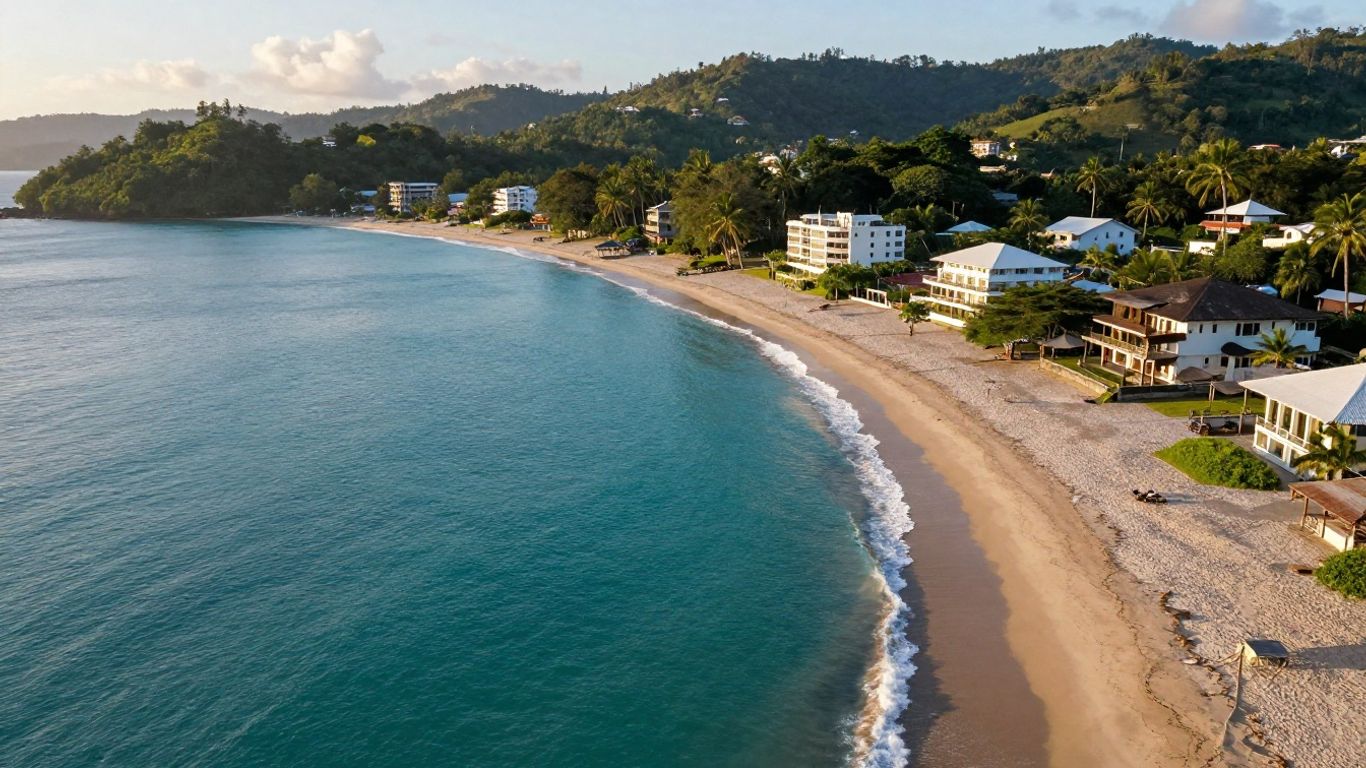
Buying in Brasilito calls for more than a beautiful beach view. The right decision balances location, title, infrastructure, ownership costs, and the way you expect to use the property.
- Compare Brasilito with neighboring beach communities before choosing a setting.
- Confirm title, water, access, zoning, and coastal restrictions before closing.
- Price the complete ownership picture, not only the purchase amount.
- Match a home, condo, lot, or commercial property to your intended use.
- Treat rental projections as estimates and plan for changing market conditions.
Understand the Brasilito beach real estate market
Brasilito has a relaxed coastal character, but it sits within one of Guanacaste’s most active real estate corridors. Buyers are drawn to its beach access, village atmosphere, and proximity to larger destinations without necessarily wanting to live in a resort center. A useful starting point is this Brasilito market report, which can help frame current conversations about inventory, pricing, and regional demand.
How Brasilito compares with nearby Guanacaste destinations
Brasilito tends to appeal to buyers who want an authentic, walkable village near Playa Conchal and Playa Flamingo. Conchal is known for its distinctive beach environment and established resort setting, while Flamingo offers a more developed marina-oriented lifestyle. Tamarindo is generally busier and broader in its commercial offering, so the best comparison depends on whether your priority is quiet daily living, nightlife, boating, or rental reach.
Property types available in and around Brasilito
The local inventory can include resale houses, villas, condominiums, homesites, and commercial or mixed-use opportunities. New construction may offer contemporary finishes and shared amenities, while a resale home can provide mature landscaping, established systems, and a clearer sense of the surrounding neighborhood. Land deserves its own evaluation because a low purchase price does not necessarily mean that utilities, permits, and construction approvals are close at hand.
Typical buyer profiles and ownership goals
Some purchasers are planning a full-time move, while others want a winter home, a family retreat, or a property that can be rented when they are away. Retirees may value walkability and access to everyday services; families may focus more on schools, privacy, and usable indoor-outdoor space. A condo such as Arcadia at Brasilito Beach can suit buyers seeking direct beach access, contemporary design, and community amenities, but every buyer should first define how much personal use and management involvement they expect.
How seasonality can affect demand and pricing
Guanacaste’s tourism rhythm can influence viewing activity, rental demand, and sellers’ expectations. Dry-season conditions often make it easier to experience roads, landscaping, outdoor spaces, and the practical feel of a neighborhood, while rainy-season visits reveal drainage and maintenance issues that a sunny showing may hide. Rather than treating one busy period as a permanent pricing signal, compare multiple listings and ask for evidence behind any income projection.
Choose the right location and property setting
A property’s setting will shape daily life more than its finishes do. Walking distance, road quality, elevation, views, shade, and the surrounding pattern of development all affect comfort and long-term value. Spend time in the area at different hours, and consider ordinary errands as carefully as you consider the beach.
Beachfront, walk-to-beach, and inland options
True beachfront property offers immediate access and a rare sense of place, but it also brings exposure to salt air, wind, humidity, and stricter coastal rules. Walk-to-beach homes can provide a useful middle ground, with easier maintenance and potentially more privacy. Inland lots may offer larger footprints or better value, though the cost and time required for roads, utilities, grading, and construction should be established before making an offer.
Brasilito versus Conchal, Flamingo, and Potrero
These neighboring areas are close geographically but distinct in atmosphere and practical appeal. Brasilito offers village-scale living and local character; Conchal leans toward resort and nature-oriented settings; Flamingo has a stronger marina and luxury-tourism identity; Potrero is often associated with a quieter residential rhythm and multiple nearby beaches. This Brasilito and Flamingo comparison is a helpful prompt for discussing walkability, beach character, services, and investment goals rather than relying on a single headline price.
Access to roads, shops, dining, and essential services
A home that looks secluded on a map may feel inconvenient after a few weeks of real use. Check the drive to groceries, pharmacies, schools, medical services, restaurants, and the main regional roads. Ask whether access is paved, who maintains it, and how conditions change during heavy rain. Local character can be a major benefit, but convenience still matters when the property becomes your everyday base.
Ocean views, privacy, elevation, and development potential
Views can depend on elevation, vegetation, neighboring parcels, and future construction, so do not assume that a present panorama is permanent. Examine sightlines from the actual living areas, not only from a rooftop terrace or marketing image. Privacy also has a cost: a larger parcel, mature landscaping, or a gated setting may reduce exposure while increasing maintenance and association expenses.
Evaluate homes, condos, land, and commercial properties
Each property type carries a different ownership workload. A turnkey condo may simplify arrival and maintenance, while a detached villa gives more control over layout, outdoor space, and improvements. Undeveloped land and commercial real estate can offer flexibility, but they require deeper investigation into permits, infrastructure, demand, and operating responsibilities.
What to inspect in resale homes and villas
Look beyond paint and furnishings during a resale inspection. Review the roof, drainage, windows, air-conditioning systems, water pressure, electrical panel, appliances, pool equipment, retaining walls, and signs of moisture or corrosion. In a tropical coastal climate, small maintenance gaps can become expensive quickly, so request service records and obtain independent estimates for visible or suspected work.
Questions to ask about condominium ownership
Condo buyers are purchasing both a private unit and a share of a managed community. Read the declaration, bylaws, budget, reserve information, insurance arrangements, rental rules, and minutes from recent association meetings. Confirm what the monthly fee covers, how special assessments are approved, and whether the building’s maintenance plan matches the appearance presented during a tour.
The following comparison can help organize the first conversation with your attorney, broker, and property manager:
| Property type | Best suited to | Main diligence focus | Common cost concern |
|---|---|---|---|
| Condo | Lock-and-leave or shared amenities | Association documents and reserves | Monthly fees and assessments |
| Resale home | Personal space and established setting | Systems, permits, and repairs | Ongoing maintenance |
| Undeveloped lot | Custom construction | Water, zoning, access, and buildability | Site work and infrastructure |
| Commercial property | Business or mixed-use income | Use permissions and operating records | Vacancy and improvements |
The table is only a starting framework. A well-maintained condo may be simpler than a house, but its rules can be more restrictive; a lot may appear inexpensive while requiring substantial site preparation.
Assessing undeveloped lots and construction readiness
A buildable-looking parcel is not automatically construction-ready. Confirm the surveyed boundaries, legal access, water availability, electrical connection, soil and drainage conditions, allowable building envelope, and current municipal requirements. If you plan to build, obtain an experienced local architect or engineer’s view before assigning value to a conceptual design.
Reviewing retail and mixed-use opportunities
Commercial property requires a different lens from a personal residence. Study foot traffic, parking, nearby businesses, seasonality, permitted uses, existing leases, utility capacity, and the cost of adapting the premises. Public listings can broaden the search for Brasilito commercial opportunities, but listing information should be treated as an initial lead rather than a substitute for verified documents and local financial analysis.
Navigate the Costa Rica property-buying process
The purchase process becomes much easier when roles and deadlines are clear from the beginning. Foreign buyers commonly work with a local attorney, a broker, a seller, and sometimes a property manager, surveyor, or construction professional. Keep written records of the agreed price, deposit terms, contingencies, identity documents, and every transfer of funds.
How foreign buyers can hold title
Foreigners can generally purchase titled property in Costa Rica, but coastal property requires particular care because the Maritime Zone has special rules and may involve concession rights rather than ordinary fee-simple ownership. Confirm the legal category of the parcel before discussing its value or assuming that a beachfront location can be transferred like an inland title. This guide to foreign property ownership provides useful background, but your own attorney should interpret the specific property record.
The role of a local real estate attorney
An independent Costa Rican real estate attorney should review the registry record, ownership, liens, boundaries, permits, contracts, and closing process. The attorney can also explain taxes, escrow arrangements, corporate ownership, and any coastal or condominium implications. Choose counsel who represents your interests rather than relying solely on documents or recommendations supplied by the seller.
Making offers, signing contracts, and transferring funds
An offer should state more than the price. Include the deposit, inspection and title conditions, included furnishings, closing date, remedies for default, and the documents the seller must provide. Transfer funds only through a structure your attorney has reviewed, and make sure the recipient, currency, timing, and refund conditions are documented before money leaves your account.
A calm process is usually a well-documented one. Resist pressure to skip an inspection or shorten a legal review simply because another buyer appears interested.
Understanding corporations, trusts, and ownership structures
Some buyers hold property personally, while others consider a Costa Rican corporation or another structure for estate planning, shared ownership, liability, or administration. The right choice depends on your tax situation, residency, heirs, financing, and intended use. Obtain advice from both a Costa Rican attorney and a qualified tax professional in the countries relevant to you; a structure that is convenient locally may have reporting consequences elsewhere.
Calculate the full cost of ownership
The purchase price is only one part of the budget. Closing expenses, taxes, insurance, utilities, repairs, association fees, staffing, and management can materially change the economics of a property. Build a conservative forecast before you fall in love with a floor plan or projected rental figure.
Purchase taxes, legal fees, and closing expenses
Ask for a written estimate of transfer taxes, registration charges, legal fees, escrow costs, broker commissions, and any survey or inspection expenses. The allocation of these costs can vary by contract and transaction, so avoid relying on a general percentage without a property-specific calculation. Leave room for currency conversion and bank transfer charges as well.
Property taxes, condominium fees, and insurance
Annual property taxes should be verified with the relevant municipality, while condominium buyers need the current budget, payment history, reserve position, and planned assessments. Insurance availability and pricing can depend on construction, location, security, storm exposure, and whether the home is rented. If the property will be vacant for long periods, confirm what coverage requires regarding inspections, caretaking, or alarms.
Utilities, maintenance, staffing, and repairs
Monthly ownership costs can include electricity, water, internet, landscaping, pool care, pest control, security, cleaning, and periodic deep maintenance. Coastal air and intense sun can shorten the useful life of exterior finishes and equipment. A realistic maintenance reserve is more useful than an optimistic monthly average, especially for a second home that is not visited regularly.
Budgeting for renovations and future construction
For an older home, separate cosmetic improvements from work that protects the structure or systems. For a new build, budget for design, permits, site preparation, utility connections, furnishings, appliances, landscaping, contingencies, and professional oversight. Do not assume that a render or preliminary quote captures every cost required to make the property comfortable and legally usable.
Complete due diligence before closing
Due diligence is where an attractive property becomes a defensible purchase. It should be independent, document-based, and specific to the parcel rather than based on assurances about the neighborhood. Give professionals enough time to investigate, and make the contract contingent on issues that matter to you.
Confirming title, boundaries, and registered ownership
Obtain a current registry report and compare its owner, parcel number, area, and encumbrances with the seller’s documents. A survey can help identify boundary discrepancies, structures crossing lines, informal access routes, or differences between the physical property and the registered description. Confirm that every person or entity required to sign has authority to transfer the property.
Checking zoning, permits, water, and road access
Verify the permitted use, density, setbacks, height limits, and construction conditions with the relevant authorities. Ask for evidence of legal water availability and electrical service, not merely a statement that connections are nearby. Road access should be confirmed legally and physically, including maintenance obligations and the route emergency services would use.
Reviewing environmental and coastal development restrictions
Properties near the shore may be affected by the Maritime Zone, environmental protections, drainage corridors, vegetation rules, setbacks, or other development limits. A view of the ocean does not establish a right to build, expand, or remove trees. Have the attorney and qualified technical professionals identify restrictions before you value future additions or subdivision potential.
Identifying liens, easements, and outstanding obligations
Search for mortgages, tax debts, utility balances, judgments, easements, condominium arrears, and construction obligations. Ask whether any informal agreements affect access, parking, water, or shared infrastructure. The closing statement should clearly show which obligations will be paid, released, or transferred, and who is responsible for each item.
Plan for rental income or long-term use
A property can be financially sensible without being a high-yield rental, and a strong rental location may not be the ideal personal retreat. Start with the life you want, then test whether the numbers support it. Rental income should be modeled after management, cleaning, utilities, repairs, taxes, vacancy, platform fees, and furnishing costs rather than presented as gross revenue alone.
Comparing vacation rentals with personal-use properties
Vacation rentals may benefit from proximity to the beach, privacy, bedrooms, outdoor space, reliable internet, and amenities guests recognize immediately. A personal-use home may justify features that do not maximize nightly rates, such as a private office, extensive storage, or a quiet garden. Review condominium rules, local licensing requirements, insurance terms, and tax treatment before assuming short-term rentals are permitted.
Estimating occupancy, rates, and operating expenses
Use comparable properties with similar location, size, views, amenities, condition, and management quality. Build separate high, base, and low cases, and include slower months, owner stays, cancellations, repairs, and replacement furnishings. A spreadsheet is helpful, but the quality of its assumptions matters more than the precision of its formulas.
Choosing property management and maintenance support
Remote ownership depends on dependable local people. Interview managers about response times, guest screening, housekeeping standards, emergency procedures, reporting, vendor markups, and how they protect the property between stays. A clear scope of work and transparent fee schedule can prevent small misunderstandings from becoming expensive ones.
Considering resale value and long-term investment risks
Resale prospects depend on title quality, location, access, construction standards, operating costs, buyer demand, and the wider economic cycle. New development can bring amenities and attention, but it can also introduce competing inventory. Consider climate exposure, insurance changes, currency movements, regulatory shifts, and the possibility that your preferred exit timing will not match the market.
Conclusion
Brasilito can offer a rare blend of beach access, authentic charm, and proximity to Guanacaste’s established attractions, but a rewarding purchase begins with disciplined research. Compare settings, verify the legal and physical facts, budget honestly, and choose a property whose responsibilities fit your life as well as your aspirations.
Frequently Asked Questions
Is Brasilito a good place to buy property?
It can be a strong fit for buyers seeking a quieter beach community near Conchal and Flamingo, especially when walkability, lifestyle, and long-term use matter. Suitability depends on the property’s title, access, condition, price, and intended purpose.
Can foreigners buy property in Costa Rica?
Foreigners can generally own titled property in Costa Rica, subject to the same property-specific checks as local buyers. Coastal parcels and concession rights require additional legal review because special rules may apply.
What type of property is easiest to manage remotely?
A well-run condominium may be easier because common areas and some maintenance are handled collectively. Its rules, fees, reserve funding, and rental permissions still need careful review before purchase.
Should I buy beachfront or walk-to-beach property?
Beachfront offers immediate access and scarcity, but it may carry greater exposure and regulatory complexity. Walk-to-beach property can provide more privacy or flexibility, so compare actual access, views, maintenance, and legal restrictions.
What costs should I budget beyond the purchase price?
Plan for taxes, legal and closing expenses, insurance, utilities, maintenance, furnishings, management, repairs, and possible association assessments. Land and renovation projects also require contingencies for permits, infrastructure, and construction changes.
How can I estimate rental income?
Use comparable properties and model occupancy, seasonal rates, owner use, management, cleaning, utilities, taxes, repairs, and vacancy. Treat projections as scenarios rather than guarantees.
What should happen before closing?
Your attorney should confirm ownership, title, boundaries, liens, easements, zoning, permits, water, road access, and any coastal or environmental restrictions. Close only after material issues are resolved or clearly addressed in the contract.
Updated August 10, 2026